
Outdoor equipment is regularly exposed to dirt, moisture, mud, dust, and changing weather conditions. After a hiking trip, fishing session, or weekend camping adventure, it can be tempting to put everything away and deal with cleaning later. However, leaving gear dirty or damp can lead to unpleasant odors, corrosion, material damage, and unexpected problems on your next outing.
A simple maintenance routine helps keep your equipment in good condition, extend its useful life, and make preparing for future adventures easier. From inspecting backpacks to storing tents and cleaning fishing tackle, a little care after every trip can make a significant difference.
Clean Your Gear Before Storing It
Cleaning outdoor equipment soon after returning home helps prevent dirt and residue from becoming harder to remove. Mud can dry onto fabrics, salt can contribute to corrosion, and food particles may attract insects or wildlife if they remain on camping supplies.
Start by separating your equipment according to its material and cleaning requirements. Fabric items, metal tools, footwear, and electronic accessories may all need different care. Check the manufacturer’s instructions before using cleaning products, brushes, or water on unfamiliar materials.
Use mild cleaning methods whenever possible. Avoid harsh chemicals or abrasive tools that could damage protective coatings, waterproof finishes, or delicate components. After cleaning, allow each item to dry completely before placing it in storage.
Inspect Backpacks and Hiking Bags
Backpacks carry much of the equipment needed for outdoor adventures, making them worth checking after every trip. Empty all compartments and pockets, removing wrappers, loose dirt, leaves, and other debris. Shake out the bag carefully and use a soft brush to remove dirt from seams and corners.
Inspect zippers, buckles, straps, stitching, and adjustment points for signs of wear. Small problems can become more difficult to repair if ignored. Check for frayed webbing, loose stitching, damaged clips, or zippers that no longer move smoothly.
If your backpack needs washing, follow the manufacturer’s care instructions. Some bags can be cleaned by hand with mild soap and water, while others require more specific treatment. Avoid machine washing unless the manufacturer confirms that it is suitable.
Allow the backpack to air-dry thoroughly in a well-ventilated area away from excessive heat. Store it in a dry place without compressing it unnecessarily, helping preserve its shape and structure.
Care for Tents and Camping Shelters
Tents need special attention because they are exposed to ground moisture, rain, dirt, and condensation. Before packing one away for long-term storage, shake off loose debris and clean any muddy or stained areas according to the manufacturer’s instructions.
The most important step is ensuring the tent is completely dry. Packing away a damp tent can encourage mildew and create persistent odors. If you must pack it up in wet weather, unpack it at home as soon as practical and allow the fabric, floor, rainfly, and other components to dry fully.
Inspect the tent fabric, mesh panels, seams, zippers, poles, and guylines. Look for small tears, damaged clips, bent pole sections, or loose stitching. Address minor problems before your next trip rather than discovering them at the campsite.
Store tents in a cool, dry location, following the manufacturer’s recommendations. Some tent fabrics benefit from loose storage rather than remaining tightly compressed for long periods. Keep poles and stakes organized separately when appropriate to reduce unnecessary pressure on the fabric.
Maintain Fishing Rods and Reels
Fishing equipment can deteriorate when dirt, moisture, and salt residue remain on its surfaces. After freshwater fishing, wipe down your rod and reel with a clean cloth and remove visible dirt. After saltwater use, rinse suitable equipment gently with fresh water according to the manufacturer’s guidance.
Pay attention to rod guides, reel handles, line rollers, and other moving components. Check for damaged guides, loose fittings, corrosion, or unusual resistance when turning the reel handle. Avoid taking apart complex reels unless you know how to reassemble and lubricate them correctly.
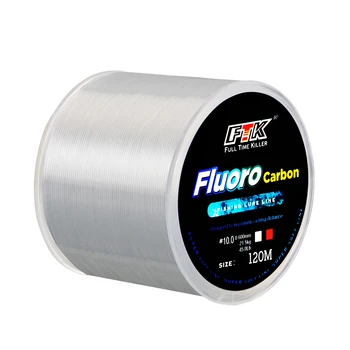
Fishing line also deserves regular inspection. Look for fraying, twists, abrasions, or other signs of wear, especially along sections that have come into contact with rocks or underwater structures. Replace damaged line when necessary.
Store rods securely so they aren’t bent or crushed by other equipment. Keep reels protected from dust and moisture, and follow the manufacturer’s recommendations for lubrication and long-term storage.
Clean and Protect Hiking Footwear
Hiking boots and trail shoes collect mud and grit that can affect their comfort and durability. Remove the laces and insoles when appropriate, then brush away loose dirt. Clean the uppers using methods suitable for their materials, whether leather, synthetic fabric, or a combination of both.
Avoid placing footwear near direct heat sources to speed up drying. Excessive heat can damage adhesives, stiffen leather, or affect other materials. Instead, let boots and shoes air-dry in a well-ventilated area. Removing the insoles can help moisture escape more effectively.
Inspect the soles for worn tread, loose sections, and embedded debris. Check the seams, eyelets, and laces for damage as well. Leather footwear may require a suitable conditioner, while some synthetic materials benefit from products designed to maintain water resistance.
Once dry, store footwear in a clean, ventilated space. Keeping boots away from damp areas helps reduce odors and prevents unnecessary material deterioration.
Keep Camping Cookware and Tools Clean
Cooking equipment can develop residue and odors if food is left on its surfaces. Clean pots, pans, utensils, and portable cooking accessories according to their materials and the manufacturer’s instructions. Make sure everything is dry before storing it to reduce the risk of corrosion and unpleasant smells.
Check handles, lids, fasteners, and other components for damage. For portable stoves, inspect accessible parts for dirt or wear, but follow the manufacturer’s safety instructions and avoid dismantling fuel systems unless you are qualified to do so.
Multi-tools, knives, and other metal accessories should be cleaned and dried carefully. Apply suitable protective products only when recommended for the item and its intended use. Keep sharp tools secured in their sheaths or protective cases to prevent accidental cuts during storage.
Store cookware together in an organized container so essential items are easy to locate when preparing for your next trip.
Protect Electronic and Navigation Equipment
Headlamps, flashlights, GPS devices, and other electronics should be inspected before storage. Wipe away dirt with a suitable cloth and check the manufacturer’s instructions before exposing any device to water or cleaning products.
Examine charging ports, cables, connectors, and protective covers for damage. Make sure equipment is dry before connecting it to a charger. If a device has been exposed to moisture, follow its specific drying instructions rather than attempting to charge it immediately.
Battery storage requirements vary by device and battery type. Follow the manufacturer’s recommendations for charging levels, temperature, and long-term storage. When appropriate, remove disposable batteries from equipment that won’t be used for an extended period, especially if leakage could damage the device.
Keep electronics in a dry place away from extreme temperatures. Store cables and accessories together, and test essential devices before leaving for your next adventure.
Organize Your Storage Space
A well-organized storage area makes outdoor preparation faster and reduces the chance of forgetting important equipment. Group similar items together, such as cooking supplies, shelter components, fishing tackle, and navigation tools.
Use labeled containers or dedicated shelves to keep frequently used items accessible. Store heavy equipment where it can be lifted safely, and keep sharp tools, fuel-related equipment, and other potentially hazardous items secured appropriately.
Avoid storing gear in damp basements, areas exposed to direct sunlight, or places with extreme temperature changes unless the equipment is designed for those conditions. Make sure storage containers don’t trap moisture with your belongings.
Keep a small maintenance kit with suitable cleaning cloths, brushes, repair materials, and other supplies recommended for your equipment. Having these items nearby makes post-trip care easier to maintain.
Create a Simple Post-Trip Routine
You don’t need to spend an entire day maintaining your equipment after every outing. A consistent routine can make the process more manageable. Empty bags, remove dirt, clean items that need attention, and separate anything that requires additional drying or repair.
Before putting everything away, check for missing accessories and make a note of supplies that need replacing. This is also a good time to inspect first-aid kits, review consumable supplies, and confirm that essential equipment remains ready for use.
Schedule more detailed inspections periodically, especially before long trips or challenging outdoor activities. Regular checks can help you identify wear before it becomes a safety concern.
Keep Your Equipment Ready for the Next Adventure
Proper cleaning, inspection, and storage help protect your outdoor gear from avoidable damage. Whether you’re maintaining a hiking backpack, drying a tent, caring for fishing tackle, or organizing camping tools, the goal is to keep each item clean, functional, and ready when you need it.
Develop a maintenance routine that matches the equipment you own and the conditions you encounter. Taking care of your gear after each trip can save time during your next preparation and help you get more value from your outdoor essentials.
Explore outdoor gear and maintenance essentials to keep your equipment in good condition for the adventures ahead.




0 Comments