
Outdoor adventures come in many forms, from exploring winding hiking trails to spending a quiet afternoon fishing or settling in for a weekend at a campsite. Although each activity has its own equipment requirements, many essentials can serve more than one purpose. Building a versatile outdoor kit helps you prepare for different experiences without filling your backpack or storage space with unnecessary gear.
The key is to focus on practical essentials, choose equipment suited to your activities, and organize everything so it’s easy to find when needed. With thoughtful planning, you can create a collection of outdoor gear that supports a variety of adventures while keeping preparation simple.
Start With Your Outdoor Priorities
Before buying new equipment, consider the activities you enjoy most and the conditions you typically encounter. Someone who spends weekends hiking through wooded trails may need different supplies from someone who regularly camps near a lake or fishes from the shore.
Make a list of the equipment you already own and identify items that can serve multiple purposes. A durable backpack, reusable water bottle, headlamp, weather-appropriate clothing, and basic first-aid supplies can be useful across many outdoor activities.
Think about the length of your trips, the number of people in your group, and the weather conditions you may face. A short day hike requires less equipment than a remote overnight trip. Starting with your actual needs helps you avoid carrying unnecessary items or overlooking important supplies.
Choose a Backpack That Suits Your Activities
A reliable backpack can serve as the foundation of your outdoor kit. It should provide enough space for your essentials while remaining comfortable to carry over the distances you expect to travel.
For shorter outings, a compact daypack may be sufficient for water, snacks, a first-aid kit, a light jacket, and basic accessories. Longer hikes or overnight camping trips may require a larger pack with additional room for food, shelter, and sleeping equipment.
Look for adjustable shoulder straps, comfortable padding, durable materials, and useful compartments. Water-resistant fabric or a rain cover can help protect your belongings when the weather changes, although neither should be assumed to make the bag completely waterproof.
If you plan to carry fishing equipment in your backpack, consider how rods, tackle boxes, and other accessories will fit alongside your hiking or camping supplies. Positioning heavier items close to your back can also improve balance and carrying comfort.
Build a Reliable Hydration and Food Setup
Water and food are essential for maintaining energy during outdoor activities. A reusable water bottle or hydration reservoir can work for hiking, fishing, and camping, provided it has enough capacity for your trip.
Estimate your water needs based on the weather, activity level, duration, and availability of safe refill points. Hot conditions and strenuous exercise can increase the amount of water you need. For longer outings, consider carrying a suitable water filter or purification method when reliable drinking water is not readily available.
For food, choose options that are easy to pack, transport, and eat outdoors. Trail mix, dried fruit, energy bars, and other compact snacks can be convenient during hikes or fishing sessions. Camping trips may require additional ingredients and cooking supplies, depending on the meals you plan to prepare.
Store food securely and follow local wildlife guidelines. Keep perishable items at safe temperatures and separate cooking supplies from equipment that should remain clean and dry.
Pack Clothing for Changing Conditions
Weather can shift quickly outdoors, making suitable clothing an important part of any adventure kit. Instead of packing bulky outfits for every possibility, choose layers that can be added or removed as conditions change.
A moisture-wicking base layer helps manage perspiration, while an insulating layer provides warmth when temperatures drop. A suitable outer layer can protect against wind and rain. The right combination depends on the climate, activity, and expected conditions.
Comfortable footwear is equally important. Hiking boots or trail shoes should suit the terrain and provide appropriate support. For fishing, footwear may also need to handle wet surfaces or muddy banks. Always consider traction and avoid wearing shoes that are unsuitable for the environment.
Pack spare socks and a compact rain jacket when appropriate. These small additions can make a considerable difference if your clothing becomes damp or the weather changes unexpectedly.
Carry Navigation and Safety Essentials
Navigation equipment and basic safety supplies are useful whether you’re exploring a new trail, walking to a fishing spot, or finding your way around a campsite. A fully charged phone with downloaded maps can be helpful, but it shouldn’t be your only navigation option in areas with limited reception or unreliable battery life.
A physical map and compass provide an alternative when electronic devices are unavailable, provided you know how to use them. For remote trips, consider carrying additional communication equipment suited to the area and your level of experience.
Your first-aid kit should contain supplies appropriate for your group, activities, and trip duration. Include items for treating minor cuts, blisters, and other common problems, and check expiration dates regularly. Pack any personal medications you need securely and keep them accessible.
A headlamp or flashlight with spare or fully charged batteries is also useful for early starts, late returns, and nighttime tasks around camp. Keep essential safety items in a consistent location so you can find them quickly.
Select Multi-Purpose Camping Equipment
Some camping accessories can support several activities, helping reduce the amount of equipment you need to carry. A lightweight tarp, for example, may provide shade or an additional weather barrier when used correctly. A compact sitting pad can make breaks more comfortable on the trail or beside a fishing spot.
A headlamp frees your hands when preparing meals, organizing a tent, or handling equipment after dark. A small repair kit with suitable tape, cord, and basic repair materials can help address minor issues with bags, shelters, or other gear.
However, multi-purpose equipment shouldn’t replace specialized safety gear when a particular activity requires it. A general-purpose tool may be convenient, but it won’t necessarily perform as well as equipment designed for a specific task.
Check each item’s intended use, weight, durability, and limitations before relying on it for multiple activities.
Organize Fishing Gear Without Overpacking
Fishing supplies can take up considerable space if every lure, tool, and accessory is packed without a plan. Start by considering the species you’re targeting, the location, and the fishing method you intend to use. Then choose a focused selection of tackle rather than bringing your entire collection.
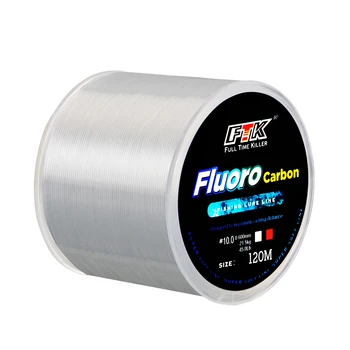
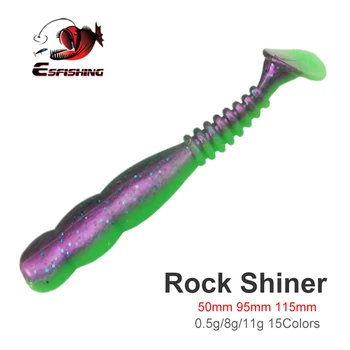
A compact tackle box or organized pouch can hold hooks, weights, lures, line, and other small accessories. Pliers, line cutters, and other tools should be stored securely, especially when sharp hooks are involved.
If you’re combining fishing with hiking or camping, consider the weight and shape of your equipment. Pack rods in a suitable protective case and secure your tackle so it doesn’t shift or spill during the journey.
Bring only the accessories appropriate for the conditions, and check local fishing regulations before your trip. Rules may specify permitted methods, catch limits, seasonal restrictions, or other requirements.
Keep Gear Clean, Dry, and Ready to Use
Outdoor equipment lasts longer when it’s cleaned, inspected, and stored properly. After each trip, remove dirt from footwear and backpacks, dry tents and sleeping equipment completely, and clean fishing tackle according to the manufacturer’s instructions.
Check straps, buckles, zippers, seams, and fasteners for signs of wear. Inspect first-aid supplies and replace anything you’ve used. Recharge electronic devices, check batteries, and make sure navigation equipment works before your next outing.
Store gear in a clean, dry location and group related items together. Keeping hiking essentials, fishing supplies, and camping accessories organized makes it easier to prepare without repeatedly searching for missing items.
A brief inspection before departure is also worthwhile. Confirm that important equipment is present, functioning, and appropriate for the conditions you expect.
Adapt Your Kit to Every Adventure
A versatile outdoor kit should be flexible rather than identical for every trip. Hiking may call for extra water, navigation tools, and blister care, while fishing may require additional tackle and tools for handling catches safely. Overnight camping adds shelter, sleeping equipment, and suitable cooking supplies.
Start with a reliable core of shared essentials, then add activity-specific equipment according to your plans. Consider the terrain, forecast, trip duration, and availability of help or facilities. This approach keeps your kit practical without sacrificing preparation.
Building an outdoor gear collection takes time. Pay attention to which items you use regularly, which ones remain untouched, and what you wish you had brought on previous trips. These observations can help you refine your setup and make more informed choices.
Explore versatile outdoor essentials and put together a gear kit that supports your next hike, fishing trip, or camping adventure.



0 Comments