
Getting started with fishing can be exciting, but choosing the right equipment may feel overwhelming when you see how many rods, reels, hooks, lines, and lures are available. The good news is that beginners do not need an extensive collection of tackle to enjoy a successful fishing trip. A carefully selected kit with a few reliable essentials can help you learn the basics and spend more time enjoying the water.
Whether you plan to fish in a local pond, cast from a riverbank, or explore a lakeside fishing spot, understanding the purpose of each piece of equipment makes preparation easier. Building your tackle kit gradually also allows you to discover which tools work best for your preferred fishing style.
Start With a Suitable Rod and Reel
A fishing rod and reel form the foundation of most beginner fishing setups. The rod provides control when casting and retrieving, while the reel stores the fishing line and helps you manage your catch.
For many beginners, a medium-light or medium-power spinning rod paired with a compatible spinning reel is a practical starting point. These setups are generally straightforward to use and can accommodate a variety of common freshwater fishing situations.
Consider the type of fish you hope to catch and the environment where you plan to fish. Smaller fish in ponds and streams may require lighter equipment, while larger species or stronger currents may call for a more robust setup.
A balanced rod-and-reel combination is often more useful than purchasing expensive equipment before you understand your needs. If possible, ask an experienced angler or knowledgeable tackle retailer to help you choose a setup suited to your local fishing conditions.
Choose the Right Fishing Line
Fishing line connects your rod and reel to the hook or lure, making it one of the most important parts of your tackle kit. Different lines offer varying levels of visibility, stretch, strength, and ease of handling.
Monofilament line is a common choice for beginners because it is generally affordable, relatively easy to handle, and suitable for many everyday fishing situations. Its stretch can also help absorb sudden movements from a hooked fish.
Braided line is thinner relative to its strength and offers little stretch, making it useful in certain situations. However, it may require additional consideration when choosing knots and leaders.
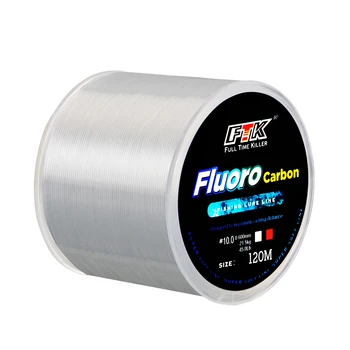
Fluorocarbon line is often used as a leader because it is relatively abrasion-resistant and less visible underwater than many other lines under suitable conditions.
The best option depends on your rod and reel, target species, and fishing environment. Check the recommended line rating for your equipment, and avoid using a line that is unnecessarily heavy or too weak for the conditions.
Build a Basic Collection of Hooks and Weights
Hooks and weights are small items that can make a major difference in your fishing setup. Having a few appropriate sizes available gives you flexibility when targeting different species or adjusting to changing conditions.
Hooks come in various shapes and sizes. Smaller hooks may suit certain small freshwater fish, while larger hooks may be appropriate for bigger species and different bait presentations. Choose hooks according to your target fish and the bait you intend to use.
Fishing weights help sink bait to the desired depth or keep a rig in position. Split-shot sinkers are useful for adding small amounts of weight, while other sinker styles are designed for specific rigs and fishing environments.
Beginners can start with a small, organized selection instead of buying a large assortment. Store hooks and weights in separate compartments to make them easier to find and reduce the risk of loose, sharp items causing injuries.
Always handle hooks carefully, particularly when removing them from a fish. Barbless hooks or hooks with flattened barbs can make removal easier in some situations and may be required by local regulations.
Stock Up on Useful Baits and Lures
Bait and lures are used to attract fish, but they work in different ways. Natural baits appeal through scent, taste, and appearance, while artificial lures imitate prey or create movement that encourages fish to strike.
Worms and other locally permitted natural baits can be useful starting options for many freshwater fishing situations. Before using live bait, check local rules because certain species or bait types may be restricted to protect native ecosystems.
Artificial lures offer variety and can be reused when maintained properly. Beginners may want to start with a small selection of soft plastic baits, simple spinners, or other lures suited to the fish found in their chosen location.
Rather than carrying every available color and style, learn which options work best for your target species and water conditions. Water clarity, depth, current, light levels, and fish behavior can all influence lure selection.
Keep bait and lures organized in a tackle box, and rinse reusable equipment when necessary to remove dirt, debris, or residue. Proper storage helps protect your gear and makes it easier to prepare for the next trip.
Carry Essential Fishing Accessories
Beyond the main tackle, a few practical accessories can make fishing safer and more convenient. These items help with handling fish, managing equipment, and responding to minor problems during a trip.
Consider including the following essentials:
- Needle-nose pliers or a hook-removal tool: Help remove hooks while keeping your fingers away from sharp points.
- Line cutters or small scissors: Make it easier to trim excess line when tying knots or changing tackle.
- A landing net: Can help bring certain fish within reach while reducing unnecessary handling.
- A measuring tape: Allows you to check fish length when size limits apply.
- A tackle box: Keeps hooks, weights, swivels, and other small items organized.
- A compact first-aid kit: Provides supplies for minor cuts, scrapes, or other small injuries.
- Sun protection and drinking water: Help you stay comfortable during extended periods outdoors.
You may not need every accessory for every outing. Choose items that match your fishing location, the species you intend to catch, and the duration of your trip.
Learn the Basics of Knots and Rigs
Having good equipment is only part of preparing for a fishing trip. Learning a few reliable knots and simple rigs can help you connect your line, attach hooks, and present bait effectively.
The improved clinch knot is commonly used to attach hooks or swivels to suitable fishing lines. The Palomar knot is another popular option when the line and terminal tackle are compatible with it. Practice each knot at home using spare line before relying on it on the water.
A basic bait rig may include a hook, a suitable weight, and the appropriate line arrangement for your fishing conditions. More complex setups can be useful later, but beginners often benefit from mastering a few simple configurations first.
After tying a knot, check that it is secure and trim any excess line carefully. Inspect your line regularly for fraying, abrasions, or damage, especially after snagging rocks, vegetation, or other underwater obstacles.
Prepare for Local Conditions and Fishing Regulations
Every fishing location presents different challenges. A calm pond may require a different approach from a flowing river or a large lake exposed to wind.
Research your destination before leaving. Learn about the fish species present, suitable bait and tackle, access conditions, and any seasonal restrictions. Local fishing regulations may specify permitted methods, minimum or maximum catch sizes, bag limits, licensing requirements, or protected species.
Weather also deserves attention. Check the forecast, bring appropriate clothing, and prepare for changes in temperature or rainfall. If fishing from a boat or near deep water, wear a properly fitted life jacket and follow local boating safety guidance.
Responsible fishing includes handling catches carefully, following local rules, and avoiding the release of live bait or unwanted organisms into unfamiliar waterways. These practices help protect aquatic environments for future anglers.
Keep Your Tackle Kit Organized and Ready
An organized tackle kit makes it easier to prepare quickly and identify missing supplies before leaving home. After each outing, inspect your equipment and replace anything that is damaged or running low.
Rinse suitable tackle with fresh water after exposure to saltwater, then dry it thoroughly before storage. Check hooks for rust, inspect line for wear, and store soft plastic lures according to their material requirements. Some lures can react with certain plastics, so follow the manufacturer’s storage recommendations.
Arrange frequently used items where they are easy to reach, and separate sharp tackle from tools and personal belongings. A compact, well-organized kit can be more practical than a large collection of equipment you rarely use.
As your experience grows, add new tackle based on what you learn from actual fishing trips. Keeping notes about the location, weather, bait, and techniques that worked can help you make more informed decisions about future purchases.
Get Ready for Your First Fishing Adventure
Building a beginner fishing tackle kit does not require buying every tool on the market. Start with a suitable rod and reel, reliable fishing line, a small selection of hooks and weights, appropriate bait or lures, and a few useful accessories.
As you become more familiar with local fishing conditions, you can adjust your equipment to suit different species and techniques. Careful preparation, basic knot knowledge, and responsible fishing habits will help you feel more confident each time you head to the water.
Explore essential fishing gear and organize your tackle kit for a more prepared and enjoyable day on the water.




0 Comments